Water Damage Help in Long Beach
Water Damage Restoration in Long Beach, CA
Water in your home or business? Tell us what happened and request help with the next steps. Get a Free Estimate
Water Damage Help in Long Beach
Water in your home or business? Tell us what happened and request help with the next steps. Get a Free Estimate
Water damage can turn an ordinary day into a stressful situation. A leaking pipe, overflowing appliance, storm-related flood, or sewage backup can leave floors soaked, walls damp, and personal belongings at risk. Long Beach Flood Restoration helps property owners address these problems with water damage restoration services focused on removing unwanted water, managing moisture, and supporting the recovery process.
Whether you are dealing with standing water or damage that has been developing behind a wall, the first step is understanding the source and extent of the problem. Our services cover emergency water extraction, flood damage cleanup, structural drying, sewage backup cleanup, and burst pipe water damage. We serve Long Beach and nearby communities, helping homeowners, landlords, and business owners find a practical path forward.
Long Beach Flood Restoration is focused on the water damage challenges that affect properties across the Long Beach area. Coastal moisture, aging plumbing, slab leaks, appliance failures, and occasional heavy rainfall can all create conditions that require careful cleanup. A water damage problem is not always obvious from the surface. Moisture can move beneath flooring, into wall cavities, and through materials that appear dry from the outside.
Our approach emphasizes understanding what happened before recommending the next steps. We believe property owners deserve straightforward explanations, clear expectations, and attention to the details that matter. Water damage restoration is not simply about making a room look clean again. It involves identifying affected materials, removing unwanted water, addressing remaining moisture, and recognizing when additional repairs or specialized work may be needed.
More about us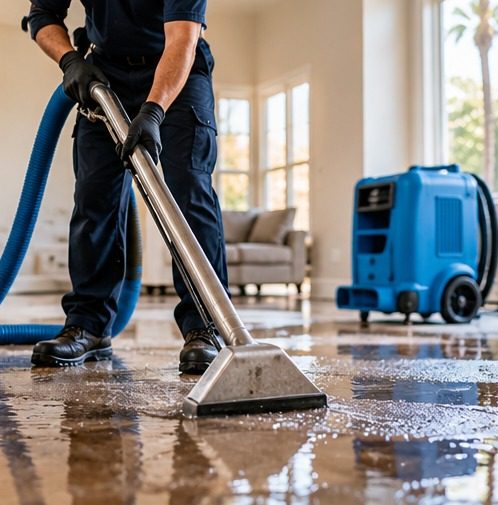
## Water Damage Restoration Services Water damage situations vary from small plumbing leaks to widespread flooding. The services below address different stages and sources of water damage so property owners can get help that matches their situation. ### Water Damage Restoration Water damage restoration brings together assessment, water removal, cleanup, drying, and recovery planning. It is appropriate when water has affected floors, walls, ceilings, cabinets, or other building materials. The goal is to address both visible damage and moisture that may remain out of sight. ### Emergency Water Extraction Standing water can spread into adjoining rooms and absorb into porous materials. Water extraction focuses on removing accumulated water as quickly and safely as conditions allow. Removing bulk water is often an important first step before detailed drying and cleanup can begin. ### Flood Damage Cleanup Flooding can leave behind water, sediment, debris, and damaged belongings. Cleanup requirements depend on where the water came from and which materials were affected. Water from outdoors may contain contaminants and can require additional precautions. ### Structural Drying and Dehumidification After visible water is removed, moisture can remain inside drywall, framing, subfloors, and other materials. Structural drying and dehumidification help manage this remaining moisture through appropriate airflow, humidity control, and progress monitoring. ### Sewage Backup Cleanup Sewage backups require extra care because wastewater can contain harmful microorganisms and other contaminants. Affected areas may need controlled removal of contaminated materials, appropriate cleaning, and specialized handling before normal use can resume. ### Burst Pipe Water Damage Cleanup A burst pipe can release a large amount of water into a property in a short period. Cleanup starts with stopping the water supply when it is safe to do so, followed by water removal, moisture assessment, and drying of affected areas.
Water damage restoration for homes and businesses affected by leaks, flooding, and unwanted moisture.
Learn more →Removal of standing water after plumbing failures, appliance leaks, and unexpected indoor flooding.
Learn more →Cleanup for properties affected by flooding, water intrusion, debris, and saturated building materials.
Learn more →Moisture control and drying for walls, flooring, framing, and other affected building materials.
Learn more →Cleanup guidance and restoration services for wastewater backups and contaminated indoor areas.
Learn more →Water removal and cleanup after broken pipes, failed supply lines, and sudden plumbing leaks.
Learn more →Long Beach Flood Restoration serves properties throughout Long Beach, including neighborhoods such as Belmont Shore, Bixby Knolls, California Heights, Wrigley, Naples, Alamitos Beach, and Downtown Long Beach. Each property has its own construction, plumbing, and moisture concerns. Older homes may have aging supply lines, while apartments and commercial buildings can experience water movement between floors or adjoining units.
Our service area also includes Signal Hill, Lakewood, Seal Beach, Los Alamitos, Rossmoor, Carson, and San Pedro. Whether you own a single-family home, manage a rental property, or operate a business, the first step is explaining what happened and where the water has traveled. Service availability and scheduling should be confirmed when you contact us.
See all service areas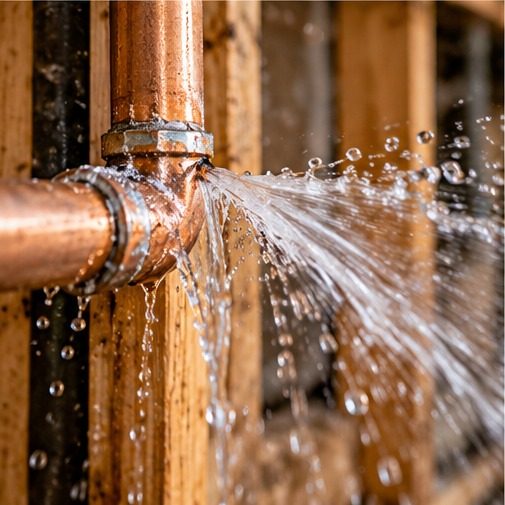
Water damage is stressful enough without confusing explanations. We focus on helping property owners understand the problem, the proposed work, and the next steps.
Water can move beneath flooring and behind walls. Restoration planning should consider moisture that cannot be seen from the surface.
From burst pipes to flood cleanup and sewage backups, our service categories address several common causes of property water damage.
Our coverage centers on Long Beach and neighboring Los Angeles and Orange County communities.
We believe recommendations should reflect the source of water, affected materials, contamination concerns, and condition of the property.
If it is safe, stop the water source and avoid affected electrical equipment. Keep people away from contaminated water and document visible damage. Contact a water damage restoration provider to discuss assessment and cleanup.
Water damage should be addressed as soon as it is safe to do so. Moisture can spread through porous materials, and prolonged dampness can increase the risk of additional damage and microbial growth.
Coverage depends on the cause of the damage and the terms of your policy. Sudden accidental plumbing leaks may be treated differently from flooding, maintenance problems, or sewage backups. Your insurance provider can explain the coverage that applies.
Yes. Moisture can remain beneath flooring, behind baseboards, and inside wall cavities. A surface that feels dry does not necessarily mean the underlying materials have reached an appropriate moisture condition.
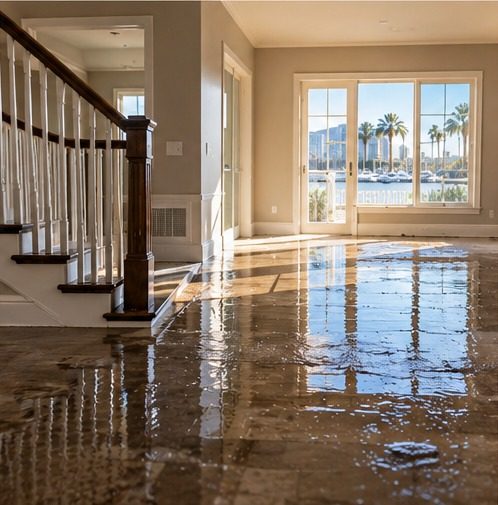
Need help understanding water damage at your property? Request an estimate and describe the affected areas.
Free — no obligations