Wastewater Cleanup Services
Sewage Backup Cleanup in Long Beach
Keep clear of contaminated water and contact us to discuss cleanup. Call 9999999999
Wastewater Cleanup Services
Keep clear of contaminated water and contact us to discuss cleanup. Call 9999999999
A sewage backup can introduce contaminated wastewater into bathrooms, kitchens, laundry areas, and other parts of a property. Unlike a clean-water plumbing leak, sewage can contain bacteria, viruses, and other harmful substances. Cleanup requires attention to personal safety, contaminated materials, and appropriate cleaning procedures.
Long Beach Flood Restoration provides sewage backup cleanup as part of its water damage service offerings. If wastewater has entered your property, keep children and pets away from the affected area. Avoid contact with contaminated water and do not attempt to operate electrical equipment in wet spaces. Plumbing or sewer repairs may need to be completed by a qualified professional before restoration proceeds.
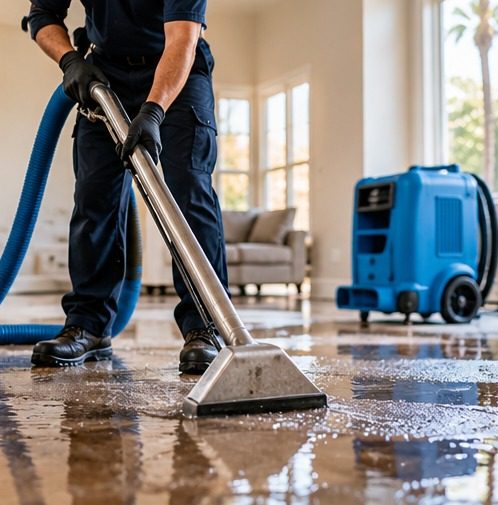
## Why Sewage Cleanup Is Different Wastewater contamination changes how affected materials should be handled. A cleanup approach suitable for clean water may be inappropriate when sewage is present. ### Identifying the Source Sewage backups may result from blocked drains, damaged sewer lines, plumbing failures, or problems in shared drainage systems. The cause should be investigated and corrected by the appropriate plumbing or utility professional. ### Protecting Occupants People and animals should stay out of contaminated areas until conditions are safe. Wastewater exposure can present health risks, especially for individuals with increased vulnerability to infection. ### Contaminated Water Removal Wastewater removal requires suitable protective measures and equipment. The method should account for contamination, access, and the materials affected. ### Porous Material Handling Carpet, padding, insulation, and other absorbent materials exposed to sewage may require removal. Simply drying contaminated materials does not necessarily make them safe. ### Cleaning and Disinfection Affected hard surfaces may require thorough cleaning followed by appropriate disinfection. Products and methods must be selected and used according to the conditions and manufacturer instructions. ### Drying and Recovery Once contamination has been addressed, remaining moisture may require structural drying. Repairs should not proceed until the affected areas are appropriately cleaned and dry.
Sewage may enter bathrooms through toilets, showers, tubs, or floor drains. Contaminated water can spread beyond the original fixture and reach flooring, baseboards, and adjacent rooms. The first priorities are preventing further discharge and keeping occupants away from the affected area. Cleanup should account for contaminated materials and any moisture that has entered concealed spaces.
A blocked or damaged drain can cause wastewater to back up into a property. Shared sewer connections and building drainage systems may complicate the source of the problem. A qualified plumbing professional may need to identify and correct the cause. Cleanup planning should follow the actual extent of contamination rather than the location of the original overflow alone.
Porous materials exposed to sewage may retain contamination even after visible wastewater is removed. Some materials cannot be reliably restored through ordinary cleaning and drying. Material removal decisions should reflect contamination, exposure, and construction conditions. Proper handling and disposal are important parts of the cleanup process.
After contaminated water and unsuitable materials have been removed, remaining surfaces may require cleaning, disinfection, and drying. Each step serves a different purpose. Drying alone does not eliminate contamination. The affected area should be evaluated for appropriate cleanliness and moisture conditions before repairs or normal occupancy resume.
| Service | Estimated Cost | Average |
|---|---|---|
| Wastewater removal | Quote required | Varies by volume |
| Contaminated material removal | Quote required | Varies by affected materials |
| Cleaning and disinfection | Quote required | Varies by contamination |
| Structural drying | Quote required | Varies by moisture conditions |
Pricing has not been verified. Contamination extent, affected materials, disposal requirements, and drying needs influence the cost. Plumbing repairs may be a separate expense.
Sewage contamination requires precautions beyond those used for ordinary clean-water leaks.
Cleanup planning considers whether materials can be appropriately cleaned or should be removed.
We focus on explaining the difference between wastewater removal, cleaning, drying, and repairs.
Sewage backed up into your property? Avoid contact with wastewater and call 9999999999 to discuss cleanup availability.
Free — no obligations
Keep people and pets away from wastewater and identify immediate safety concerns.
Arrange for appropriate plumbing or sewer repairs when needed.
Identify affected surfaces, materials, and adjoining areas.
Plan contaminated water removal, material handling, and appropriate cleaning.
Address remaining moisture and determine whether additional repairs are required.