Flood Cleanup Services
Flood Damage Cleanup in Long Beach
Floodwater entered your property? Request help understanding the cleanup process. Get a Free Estimate
Flood Cleanup Services
Floodwater entered your property? Request help understanding the cleanup process. Get a Free Estimate
Flood damage can affect floors, walls, furniture, stored belongings, and building materials. Depending on the source, floodwater may carry soil, debris, microorganisms, and other contaminants. Cleanup should begin with an assessment of safety and the conditions inside the property.
Long Beach Flood Restoration provides flood damage cleanup services for residential and commercial properties in the Long Beach area. The work may involve water removal, debris handling, cleaning, assessment of contaminated materials, and structural drying. Outdoor floodwater should not be treated the same way as a clean plumbing leak.
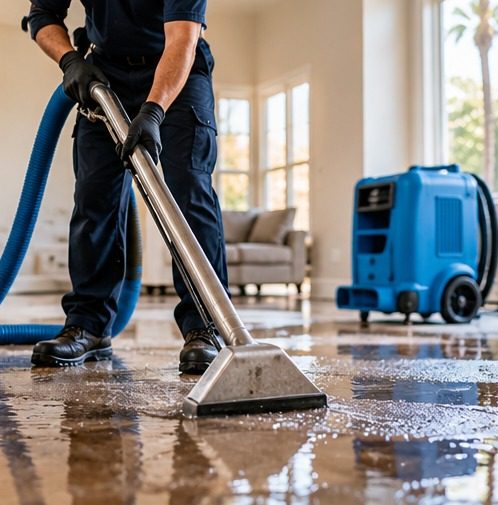
## Understanding Flood Damage Flooding can result from heavy rainfall, drainage problems, surface runoff, plumbing failures, or water entering from neighboring areas. The water source and surrounding conditions influence how cleanup should proceed. ### Safety Before Entry Flooded areas can contain electrical hazards, unstable materials, and contaminated water. Avoid entering unsafe spaces. Utility problems and structural concerns should be handled by qualified professionals. ### Removing Floodwater Once access is safe, standing water can be removed using appropriate extraction methods. The amount of water and accessibility of affected rooms influence the work required. ### Debris and Contaminated Materials Floodwater may leave sediment and debris behind. Porous materials that absorb contaminated water may not be suitable for cleaning and reuse. Decisions should reflect the type of contamination and material involved. ### Cleaning Affected Surfaces Hard surfaces may require cleaning and, where appropriate, disinfection using suitable products and procedures. Cleaning methods should be matched to the conditions rather than applied uniformly to every material. ### Drying After Flooding Once water and debris have been addressed, remaining moisture may require controlled drying. Hidden moisture can persist inside walls, subfloors, and other building assemblies. ### Preparing for Repairs Flood cleanup and reconstruction are different stages. Damaged finishes, insulation, cabinetry, and other materials may require repair or replacement after cleanup and drying.
Floodwater inside a home can affect living spaces, storage areas, furniture, and personal belongings. Cleanup decisions depend on the water source, affected materials, and length of exposure. A careful approach considers both visible debris and moisture that may remain in concealed spaces. Property owners should document damage and avoid contact with potentially contaminated water.
Commercial flooding can interrupt operations and affect inventory, equipment, flooring, and shared building systems. Property managers may need to coordinate access, safety precautions, and repairs with multiple parties. A defined cleanup scope helps clarify which areas require water removal, material handling, cleaning, and drying. Business operations should resume only when affected spaces are safe for their intended use.
Flooding can leave behind mud, sediment, damaged contents, and building materials that cannot reasonably be restored. Debris handling must account for contamination and safe disposal requirements. Before discarding items, property owners may want to document the damage for insurance purposes. Disposal decisions should also consider local rules and any hazardous materials.
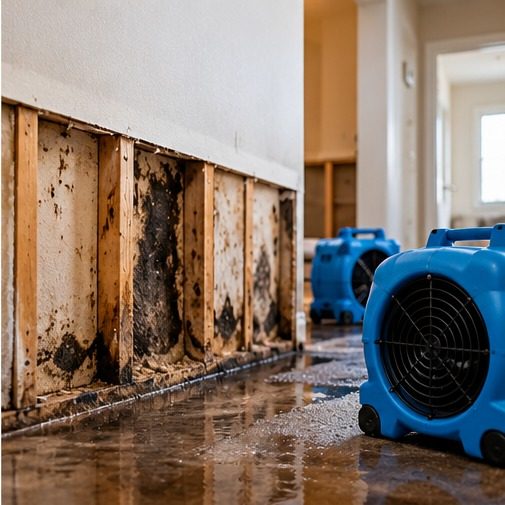
After standing water and debris have been removed, moisture may remain in walls, flooring, and structural materials. Drying plans depend on construction type, contamination, and the condition of affected materials. Moisture monitoring helps determine whether drying is progressing and whether additional investigation is needed. Drying equipment alone cannot make contaminated materials safe.
| Service | Estimated Cost | Average |
|---|---|---|
| Floodwater removal | Quote required | Varies by water volume |
| Debris cleanup | Quote required | Varies by materials |
| Contaminated material handling | Quote required | Varies by conditions |
| Post-flood drying | Quote required | Varies by affected area |
No verified price list was supplied. Floodwater source, contamination, debris, property size, and required repairs can substantially affect costs.
Floodwater may contain contaminants that change the appropriate cleanup method.
Water removal, debris handling, cleaning, drying, and repairs should be planned in a logical sequence.
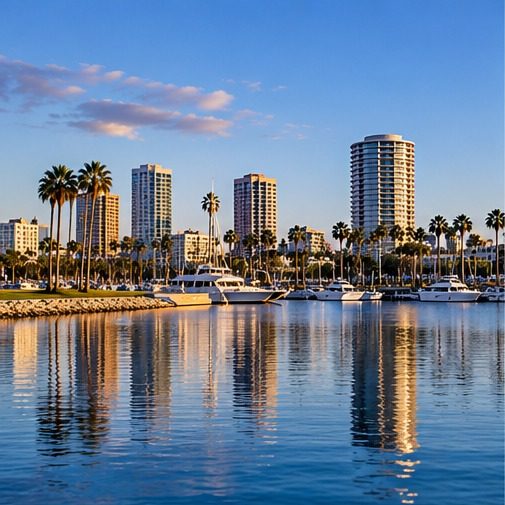
Our service area includes coastal and inland communities surrounding Long Beach.
Need flood damage cleanup in Long Beach or a nearby community? Describe the damage and request an estimate.
Free — no obligations
Review floodwater conditions, electrical hazards, and access restrictions.
Record visible damage before cleanup where safe and practical.
Address standing water and materials requiring appropriate handling.
Select cleaning and drying methods based on affected materials and contamination.
Identify damaged materials and additional repairs that may be required.